How to Spot, Avoid, and Report Cheaters in CS2
Cheating has always been part of gaming, and CS2 is no exception. For decades, people have been trying to cut the possibility of people using them, but sometimes, there's no success.
While Valve continues improving its VAC anti-cheat, players still need to recognize suspicious behavior, protect themselves, and report effectively. The key is knowing the difference between a skilled player and someone bending the rules.
How to Spot a Cheater
Not every insane play is cheating. Some players are just better. But cheats often leave patterns that are hard to hide.
The most obvious one is aimbotting. If a player’s crosshair is snapping to heads instantly without any adjustments, especially when doing so to multiple enemies, that is a very big red flag. Real aiming will always have slight adjustments, whereas aimbot aiming is very robotic. Consistently landing perfect one-taps every single game is not normal, even for very skilled players.
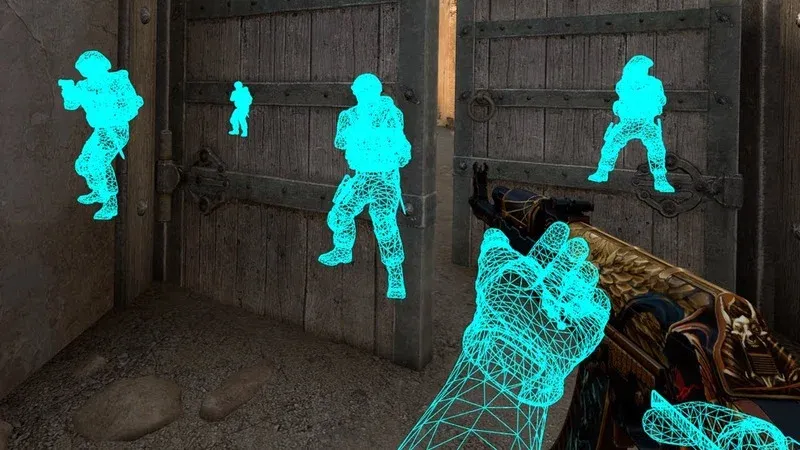
There is also the case of wallhacking, or ESP. This is a bit harder to spot, but just as common. Look out for players who will always seem to "know" where enemies are. They will pre-aim corners without checking, never check obvious areas, or will push forward when sites are clear. Consistency is a very good indicator of a cheat. Getting lucky once is normal, but doing so every game is not.
Another dead giveaway is the use of triggerbots. These fire the exact moment an enemy crosses the crosshair. From the demo, it looks like they have zero reaction time, firing their shots in a matter of frames. However, humans are not capable of reacting that fast all the time.
There are some cheats that are more obvious than others. The use of spinbots, where a user is spinning wildly and still manages to land their shots, is impossible to miss. The use of radar hacks is also a dead giveaway, as they are characterized by perfect rotations and positioning, but without any sound or team information.
Another aspect that might be useful is the stats of the user in question. A user whose headshot percentage is 90% and above and whose kill count is high is a dead giveaway. However, this is not always the case, as some people are naturally talented.
Another aspect that is often overlooked is the bad movement and perfect aim of a user.
How to Avoid Cheaters
You can’t eliminate cheaters entirely, but you can reduce how often you face them.
First and foremost, you should always play on official matchmaking servers. Official matchmaking servers are protected by both Valve Anti-Cheat and Trusted Mode.
Also, you should ensure Trusted Mode is enabled, as it is by default. Trusted Mode prevents third-party software from interfering with the game, thus reducing the chances of encountering cheaters in your games.
Your Steam account’s security is more important than you think. Be sure to enable Steam Guard, have a strong password, and avoid third-party software and tools, as they may get your client or even your account banned.
If you are frequently encountering cheaters in your games, you should check your trust factor. Playing with cheaters, quitting games, and getting reported may reduce your trust factor, thus putting you in a worse matchmaking pool than you should be in.
Last but not least, you should be honest with yourself and realize that not all losses are due to cheaters. People often misjudge skill as cheating, especially in higher ranks.
How to Report Cheaters Effectively
Reporting is only useful if you do it properly. Spamming reports without context doesn’t help much.
The fastest method is in-game reporting:
- Press Tab to open the scoreboard
- Right-click the player
- Select “Report” and choose cheating
You can also report via their Steam profile, which adds another layer of visibility.
But what really makes a difference is evidence.
If you suspect someone, record the match using the console:
- Type record <name> to start
- Type stop to finish
Later, review the demo and look for clear moments—like aim snaps, pre-fires through walls, or impossible reactions. You can use demo tools to slow things down and confirm your suspicions.
When submitting a report, be specific. Don’t just write “cheater.” Instead, include details like:
- “Round 5: instant headshot through smoke.”
- “Round 9: pre-aiming player through the wall before peeking.”
This kind of information helps Valve’s systems and reviewers process cases more efficiently.
One important thing to understand: reports alone don’t instantly ban players. They contribute to a larger system that detects patterns over time. So even if nothing happens immediately, your report still matters.
Final Thoughts
Cheaters are frustrating, but reacting the right way makes a difference. Learn to recognize consistent, unnatural patterns - not just flashy plays. Protect your account and matchmaking environment, and report with clear evidence when needed.
CS2 will never be completely cheat-free, but a community that reports responsibly and understands the game can keep it as fair as possible.