The Complete History of Counter-Strike (Full Timeline)
Back in 1999, what started as a small Half-Life mod created by two people quickly became one of the most important FPS games ever made. By focusing on precision aiming, teamwork, and strategy, Counter-Strike completely changed what players expected from an online game.
From crowded LAN cafes and small tournaments to massive global esports arenas nowadays, every version of the game: CS 1.6, Source, CS:GO, and now CS2, has kept that same competitive spirit that made the game great in the first place.
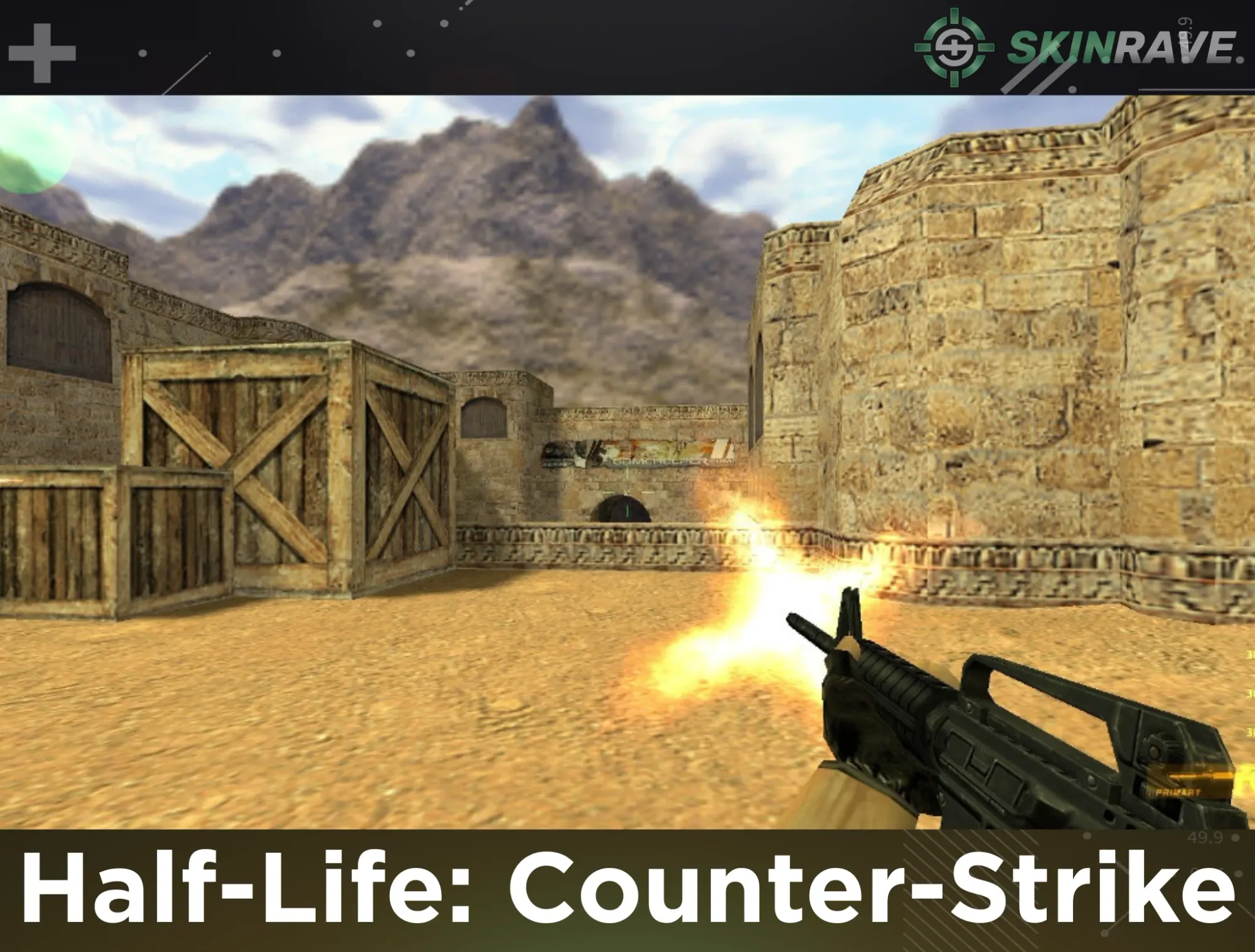
Half-Life: Counter-Strike
Released: 1999
Counter-Strike's history started in the late 90s as a mod to Valve’s most famous creation, Half-Life. First-person shooters were only just developing at that time, and they were really hyped.
Users liked the concept of controlling their money by purchasing weapons and equipment at the beginning of each round. Those amazing features made the mod a sensation, and the community contributed to the future development of the project.
However, Minh “Gooseman” Le and Jess Cliffe saw the mod differently, as an alternate game where teamwork and strategy were the main concepts.
Counter-Strike 1.0
Released: 2000
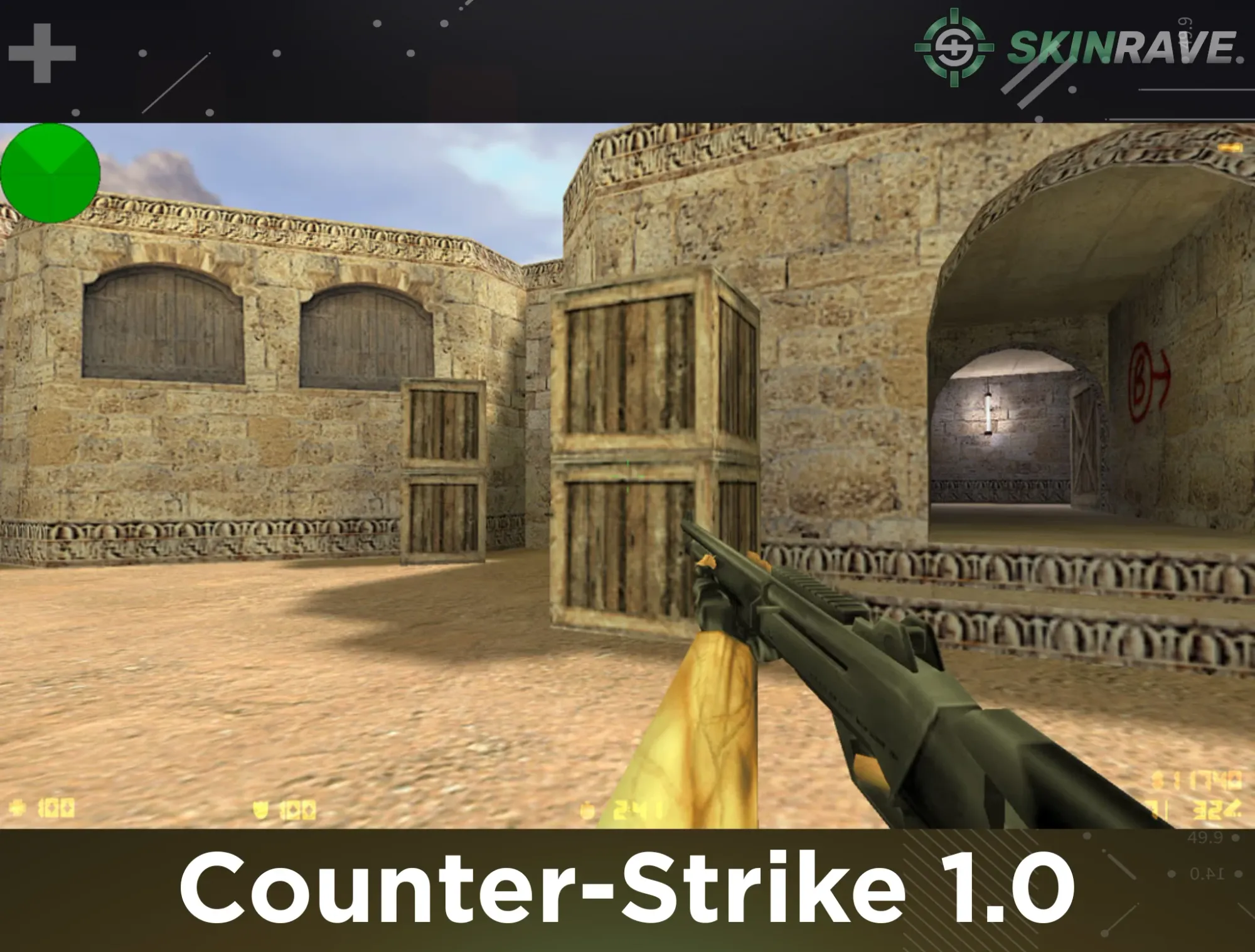
By the 2000, the mod gained massive popularity, and Valve Corporation didn’t miss the chance, buying the rights to the game and hiring its original creators, Gooseman and Cliffe, to bring it to retail.
On November 8, 2000, Counter-Strike officially left beta with the release of Version 1.0. This launch brought graphical upgrades, official server support, and polished versions of legendary maps like Dust and Assault.
By this point, the game’s core identity was established: players had to master specific weapon recoil, utilize tactical grenades, and play matches in the standard 5v5 team format.
Counter-Strike 1.3
Released: 2001
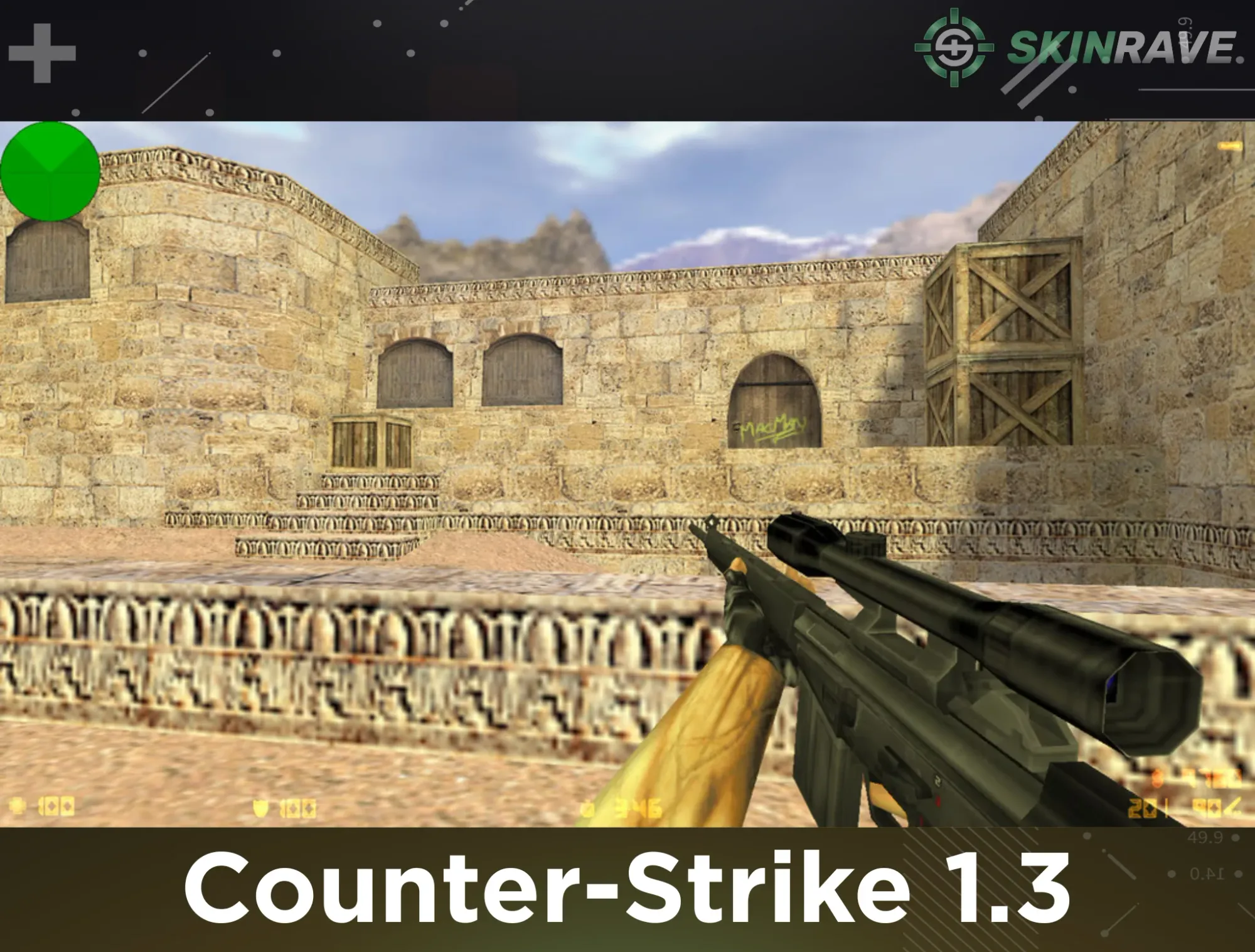
Counter-Strike 1.3 was the update that followed roughly a year after the retail launch. This update had a huge impact on the game’s future, as it introduced Multicast Spectator (HLTV) support. Now, massive audiences could watch and follow competitions without lagging the server or taking up player slots.
After the HLTV update, the professional scene began to develop rapidly, allowing organizers to broadcast matches to thousands of viewers globally. While games like Quake had done this previously, this was the moment Counter-Strike truly became a spectator sport, allowing fans to analyze and learn from pro players on a massive scale.
The first Counter-Strike tournament widely considered a "Major" by the community was the Cyberathlete Professional League (CPL) Winter Championship in 2001. It was won by the Swedish team Ninjas in Pyjamas.
Counter-Strike 1.5
Released: 2002
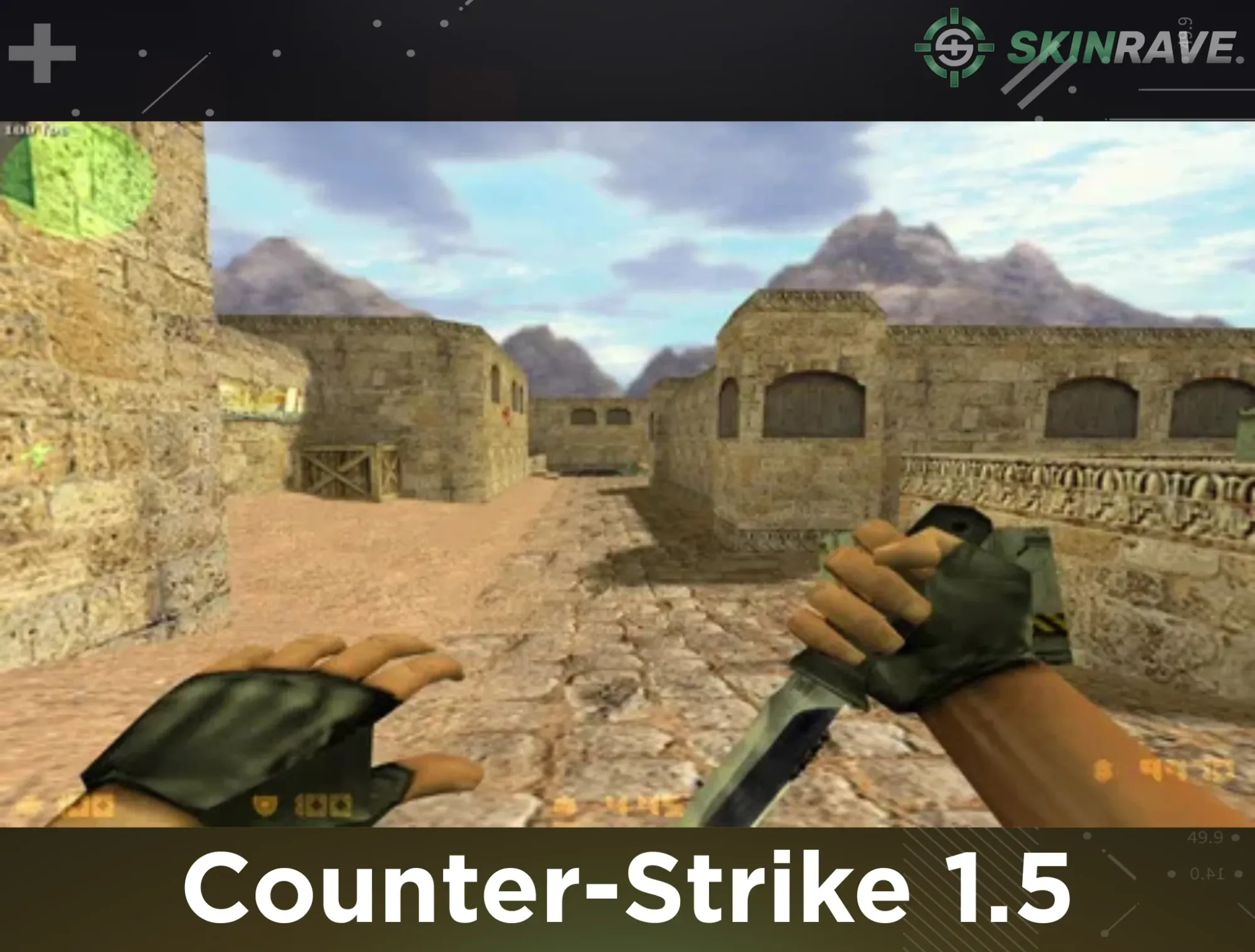
Update 1.5 (2002) refined the gaming experience, serving as the final major update before the controversial switch to the Steam platform.
While it introduced the map de_piranesi, 1.5 is best remembered as the 'purest' version of the game by veterans. It focused on game balance and stability, cementing the competitive ruleset that would dominate the decade.
Counter-Strike 1.6
Released: 2003
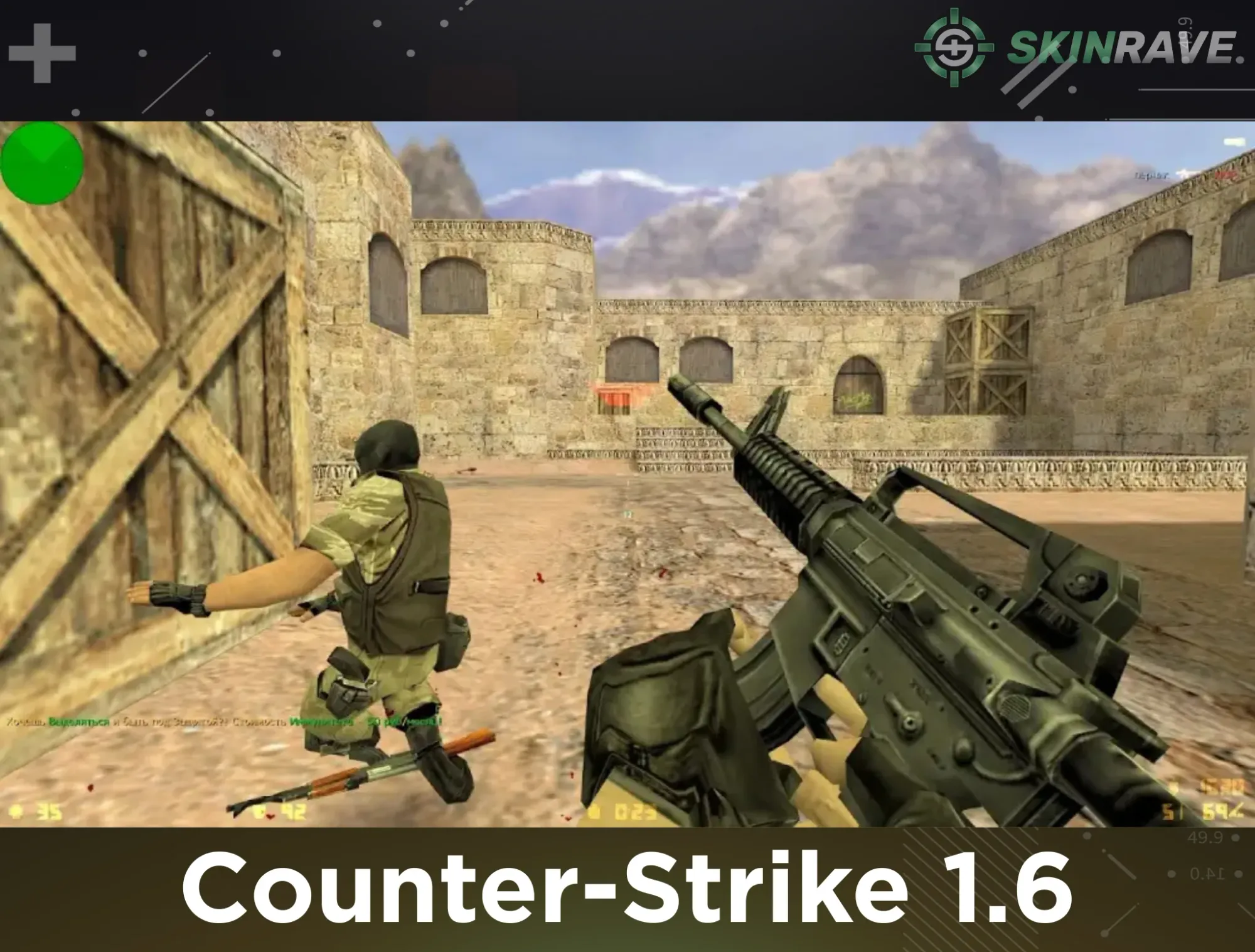
For many, Counter-Strike 1.6 was a game-changer. Previously, users had to manually download updates from websites, which was often slow and difficult. The release of CS 1.6 solved this by strictly integrating with Steam. Although Steam had already launched in beta, CS 1.6 was the application that made the platform mandatory for players, effectively standardizing the automated update process for the entire community.
Interestingly, early on, co-creator Minh 'Gooseman' Le wanted to create a Counter-Strike 2, but Valve did not approve the project. Valve felt the game had already reached its peak and preferred to maintain the existing formula rather than risk splitting the community with a sequel at that time.
Gameplay-wise, CS 1.6 introduced the FAMAS and Galil, which gave players lethal options even when they had less money. The game continued to run on the GoldSrc engine, which provided the crisp movement and precise shooting mechanics that defined the era.
This version became the standard for competitive play in major leagues like the CPL (Cyberathlete Professional League), cementing the game's global recognition.
Counter-Strike: Condition Zero
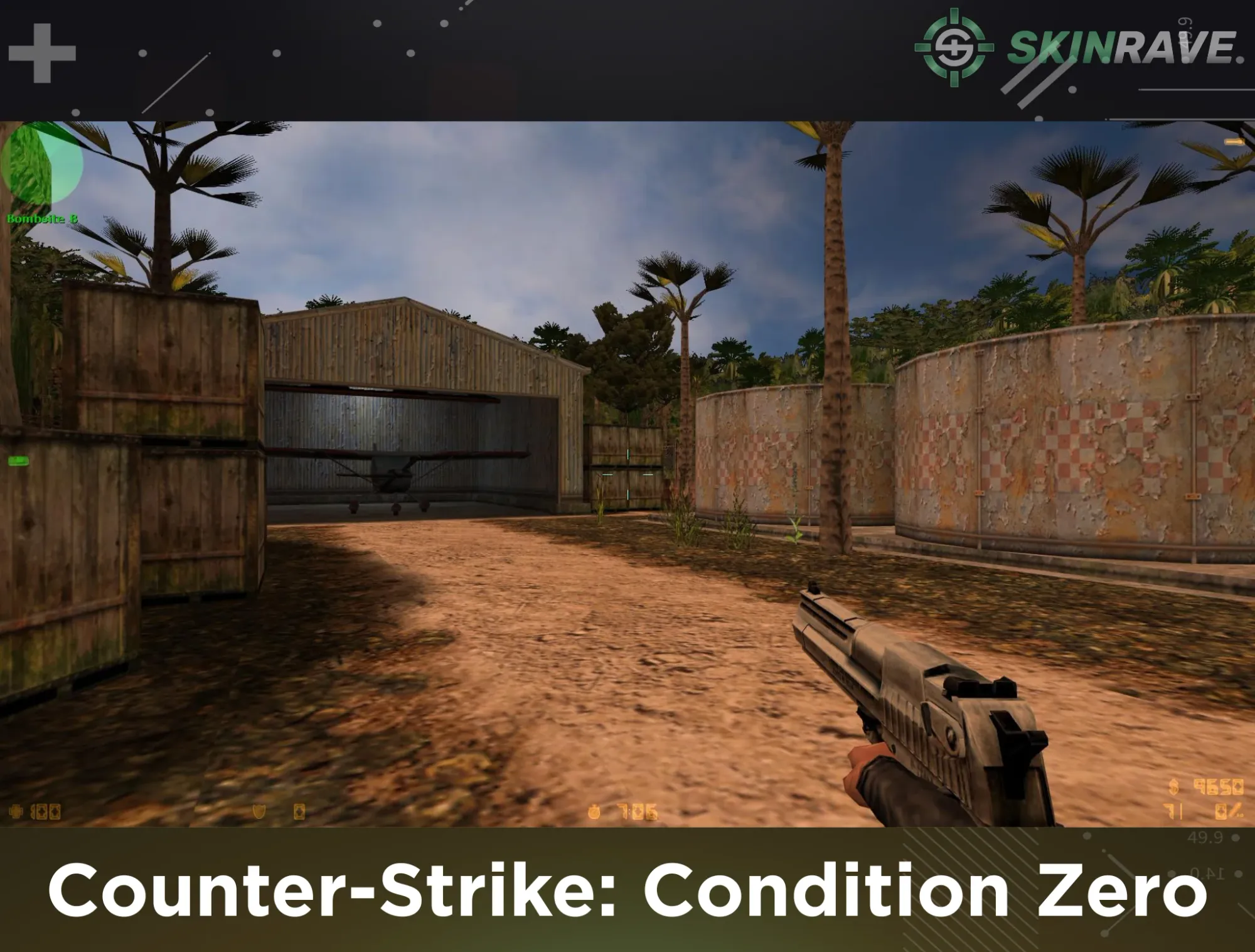
Release: 2004
After the massive success of CS 1.6, Valve released Counter-Strike: Condition Zero (CZ) in 2004. Unfortunately, it was poorly received. It deviated from the franchise's roots by attempting to bridge the gap between a single-player campaign and the classic multiplayer experience.
The main mode, 'Tour of Duty,' was essentially CS 1.6 with better character models and graphics, where players had to complete specific challenges against bots. It failed to capture the community’s attention in the same way 1.6 did. Condition Zero also included a separate campaign called 'Deleted Scenes,' which featured linear, story-driven missions with unique lore and gadgets not found in the main game.
Condition Zero wasn't exactly a hit; in fact, many players today don't even remember it or know it existed. Its mixed reception ultimately reinforced that Counter-Strike's true strength lay in competitive multiplayer, effectively steering Valve's focus for all future titles.
Counter-Strike: Source
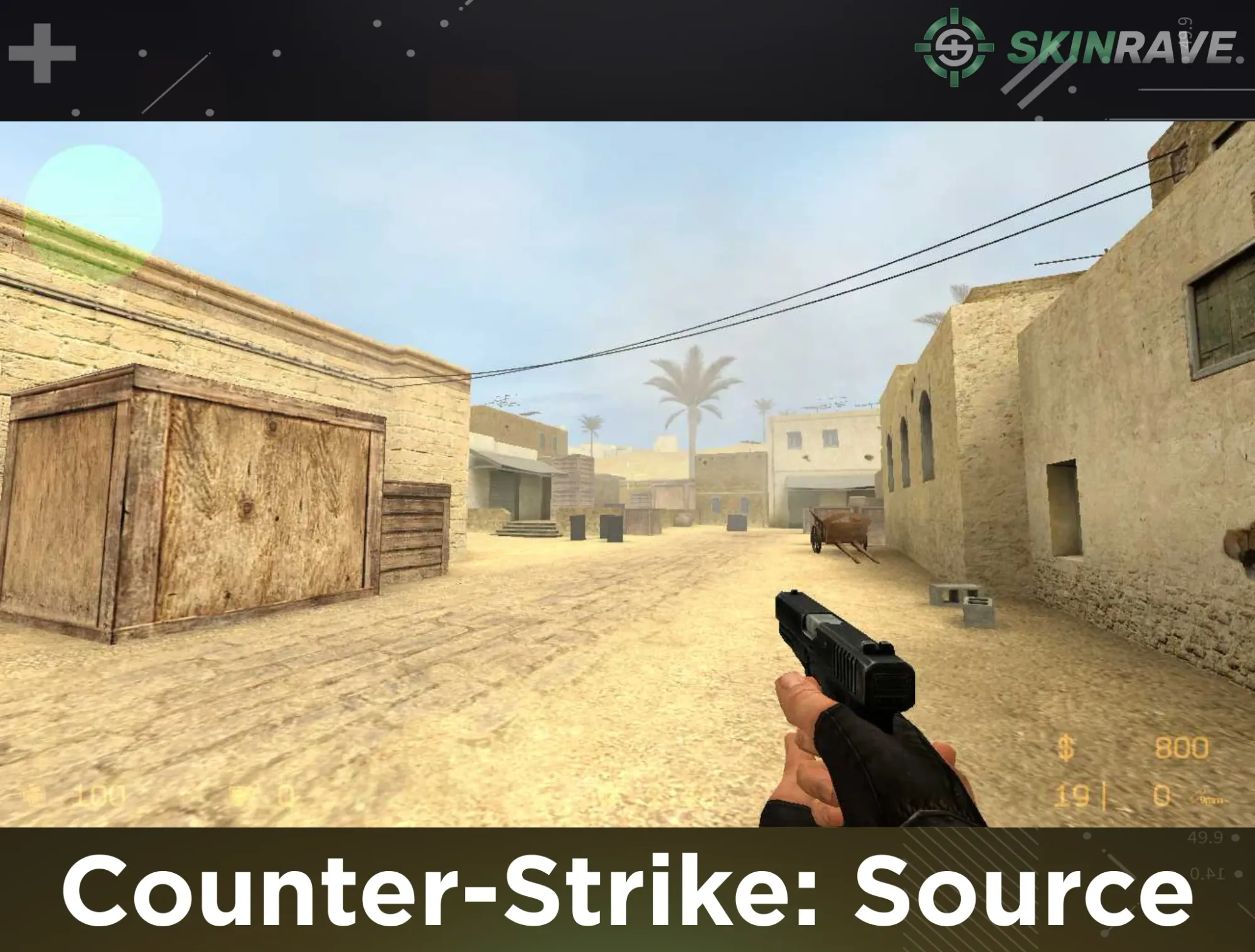
Release: 2004
Counter-Strike: Source was released just a few months later, but initially, it wasn't seen as something special by the core community. While it was essentially the same game as 1.6, it featured a massive graphical overhaul and a fun new feature that allowed players to import custom images as sprays.
However, because it was built on the new Source engine, the physics and weapon handling felt completely different from the GoldSrc engine used in 1.6. Players felt the gunplay was less accurate (often complaining about 'random' hitboxes) and the movement less sharp.
This caused a major rift in the community, dividing it into two hostile groups: those who swore by the competitive purity of 1.6, and those who embraced the modern look of Source. For years, these groups argued over which game was superior. While Source eventually gained a loyal following and became a successful project, it struggled to match the competitive prestige of its predecessor. By 2006, tournament winnings for Source totaled roughly $150,000, a fraction of the $1.3 million awarded in 1.6 tournaments during the same period.
Counter-Strike: Global Offensive
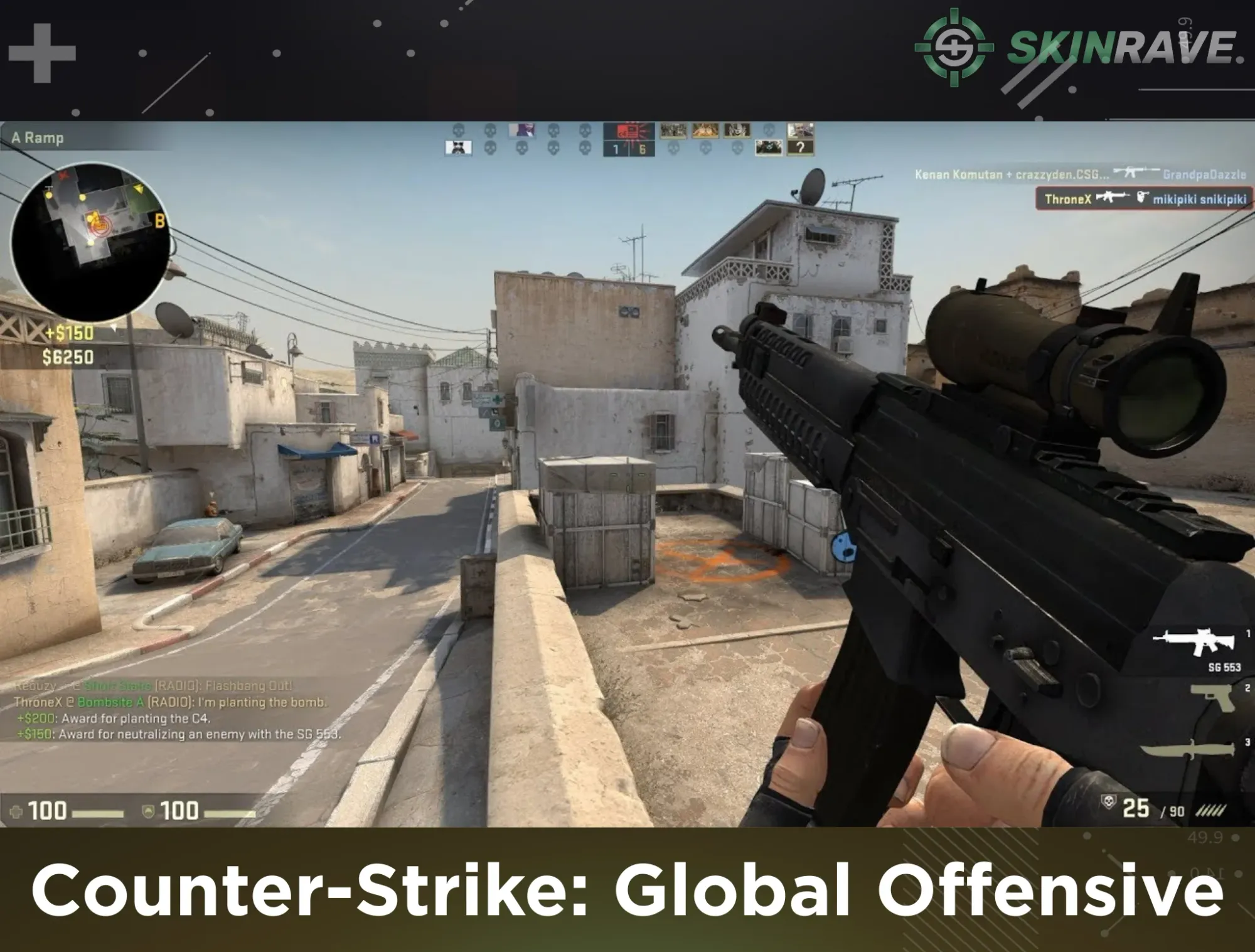
Release: 2012
Counter-Strike: Global Offensive was officially announced on August 12, 2011, bringing initial excitement to the community. However, its release in 2012 was met with hesitation; many players felt the game was a 'console port' with awkward mechanics.
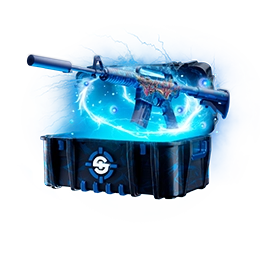
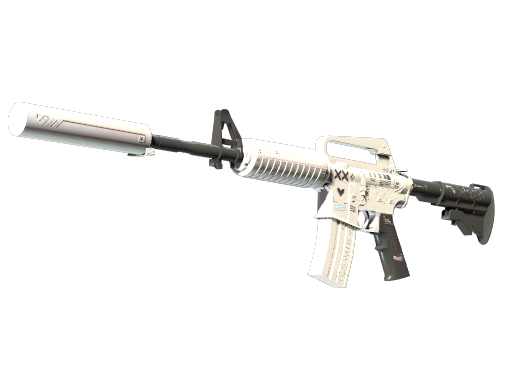
CS:GO eventually became Valve’s most successful project, but its massive popularity explosion is widely credited to the August 2013 'Arms Deal' update. This introduced weapon skins, which could be looted from cases or bought on the market, creating a multi-million dollar economy that defined the game's future.
Alongside this, Valve worked tirelessly to improve the game, offering better visual quality, smoother gameplay, and new physics that players eventually grew to love. Frequent updates, including new operations and game modes like Deathmatch and Arms Race, also helped keeping the community engaged.
The turning point for the competitive scene was the first-ever Valve-sponsored Major at DreamHack Winter 2013, won by Fnatic. Crucially, this event proved that a community-driven economy could fuel professional sports. The massive $250,000 prize pool was crowdfunded directly by players purchasing eSports Case Keys.
This model (where proceeds from cases funded tournament prizes) attracted major sponsors and kickstarted the 'esports explosion' that turned Counter-Strike into the phenomenon that is today.
Counter-Strike: Global Offensive Danger Zone
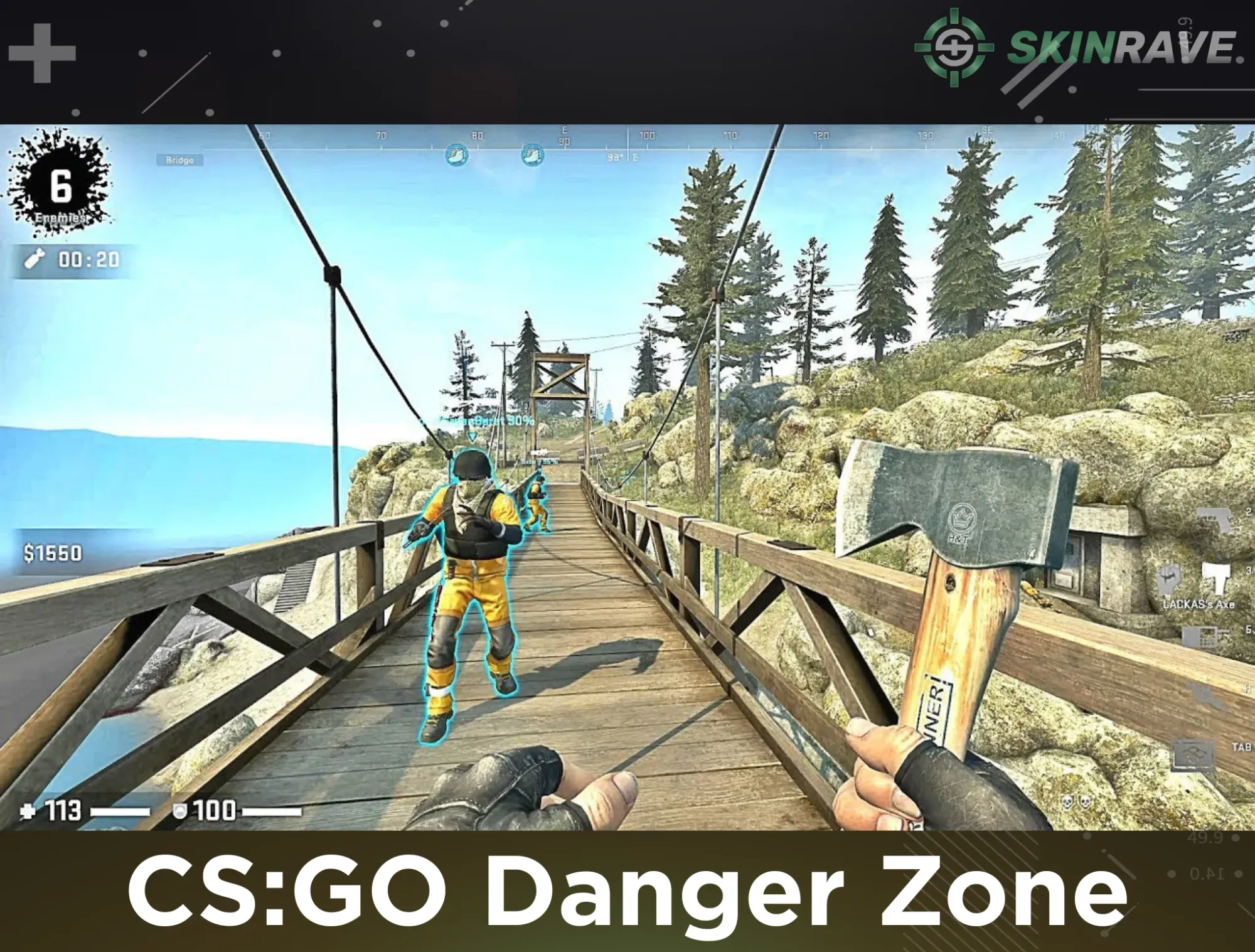
Release: 2018
By 2018, CS:GO was already world-renowned. However, on December 6, 2018, Valve released an unexpected and risky update: Danger Zone. This was a fast-paced battle royale mode featuring 16 to 18 players on a large open map, where they had to scavenge for loot, order supplies via drones, and survive the shrinking zone using CS:GO's unique mechanics.
The community was shocked, not just by the mode, but because this update also made the game Free-to-Play. This decision brought a massive influx of new players, including fans of Fortnite and PUBG.
Ultimately, the result was mixed. While the 'Free-to-Play' shift successfully revitalized the game's population, Danger Zone itself struggled to retain a mass audience.
After the initial hype died down, most players returned to the traditional 5v5 competitive mode, leaving Danger Zone as a niche 'waiting room' activity rather than a main attraction.
The final nail in the coffin came with the release of Counter-Strike 2. Unlike the other game modes, Danger Zone was completely removed and remains absent from the official game as of late 2025, proving that Valve ultimately viewed it as a disposable experiment rather than a core part of the franchise.
Counter-Strike 2
Release: 2023
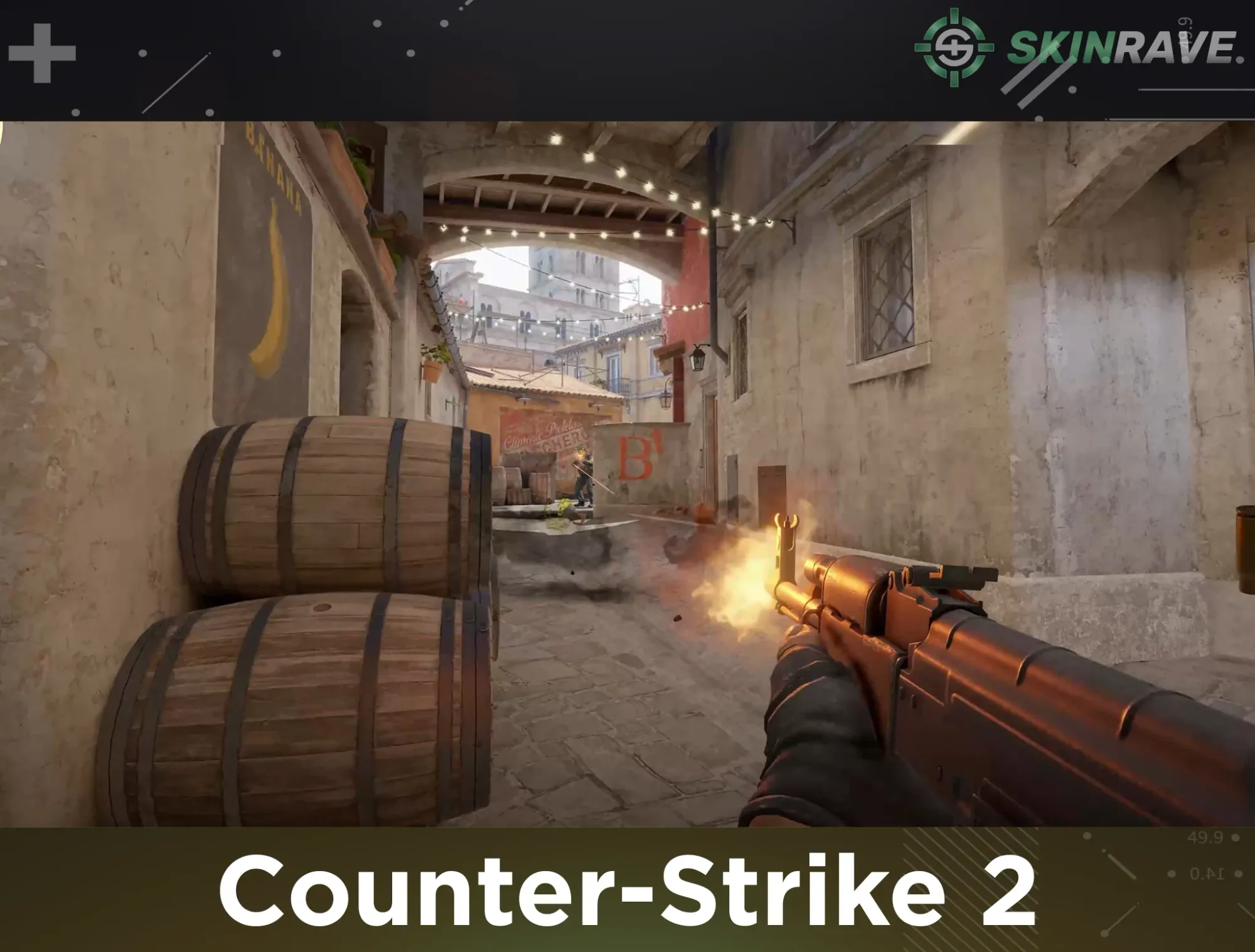
The release of Counter-Strike 2 (CS2) shocked the gaming world. Arriving as a massive, free update to CS:GO, the game was rebuilt from the ground up on the Source 2 engine, which significantly impacted the game's competitiveness and feel.
Gunplay and movement became more precise due to the new sub-tick architecture, while smoke grenades became more dynamic and realistic than ever.
The introduction of volumetric smokes was a round-changing mechanic; when a player throws a High Explosive (HE) grenade into a smoke cloud, it briefly blasts the smoke away, creating temporary sightlines and offering new tactical possibilities during fights. Visually, the game received a complete overhaul. From lighting to textures, maps and skins now look modern, vibrant, and realistic.
Since release, Valve has been consistently updating the game with bug fixes and fresh content.
In October 2024, "The Armory" update introduced a new progression system. Players could now buy an Armory Pass (essentially a battle pass) to earn credits for specific weapon collections, a new gallery case, and weapon charms (keychains) you can attach to your guns, which was a first for Counter-Strike.
Throughout 2025, the competitive scene kept expanding.
Majors adopted a 32-team format with a three-stage Swiss System followed by single-elimination playoffs. The Esports World Cup in Riyadh became one of the year's biggest most followed tournaments, bringing together the top 16 teams from around the world to compete for a $1.25 million prize pool.
Then in October 2025, Valve dropped a bombshell economic update to Trade Up Contracts. You can now exchange 5 Covert items for a guaranteed Knife or Gloves. The market went crazy, Covert skins skyrocketed in price while Knives and Gloves adjusted, creating volatility nobody predicted.
Counter-Strike started as a Half-Life mod in 1999 and became one of the most watched and played games ever made. Through 1.6, Source, Global Offensive, and now CS2, the series has evolved but kept its core focus on teamwork and skill, something that players truly appreciate.