CS2 Rush Mode Explained: Rules, Arenas, & How to Win
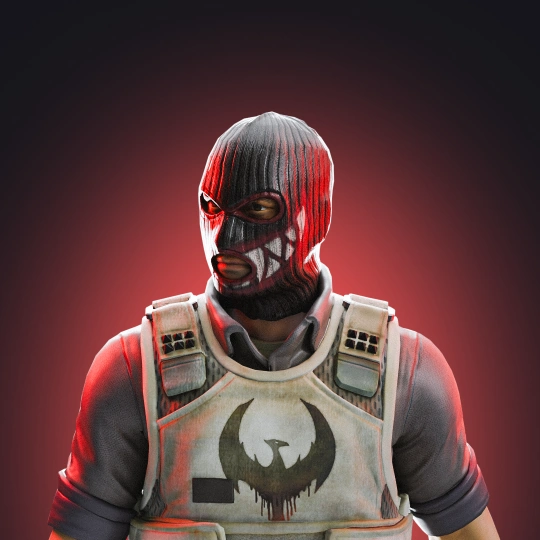
While players were expecting the release of a new anti-cheat, old maps, or a new skin collection, Valve decided to throw something completely different into CS2. On September 22, the game received Rush, a brand-new fast-paced 3v3 mode that plays nothing like standard Competitive or Premier.
Instead of fighting over a bomb site, you and two teammates have to push a tower through a series of compact arenas and eventually reach the enemy's castle. The rounds are extremely short, the maps are randomly selected, and there is still an economy to manage. So, if you have no idea what you're getting into, here's everything you need to know about CS2 Rush Mode.
What Is CS2 Rush Mode?
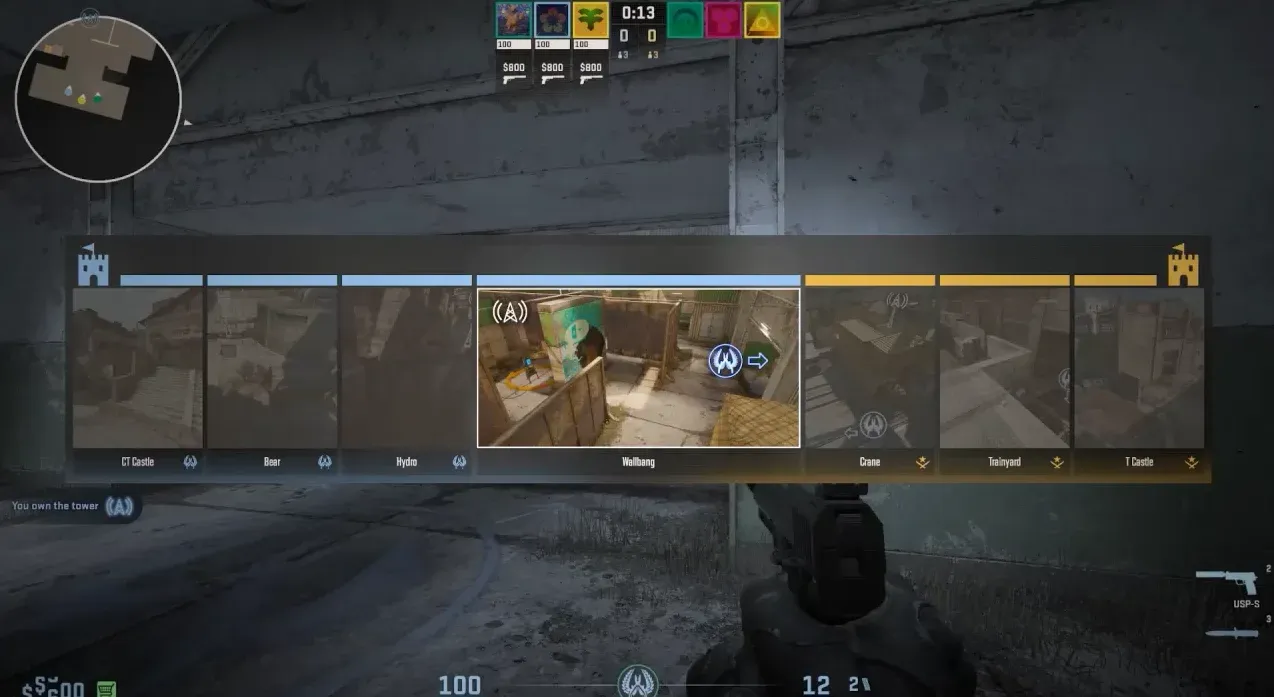
Rush Mode in CS2 is a 3v3 queued game mode built around short fights and objective control. Each team has three players, and instead of playing one traditional map from start to finish, you fight through a sequence of small battle arenas.
There are 15 Rush arenas in total, although only a selection is used during a single match. This keeps the mode from becoming as predictable as playing the same traditional map over and over again.
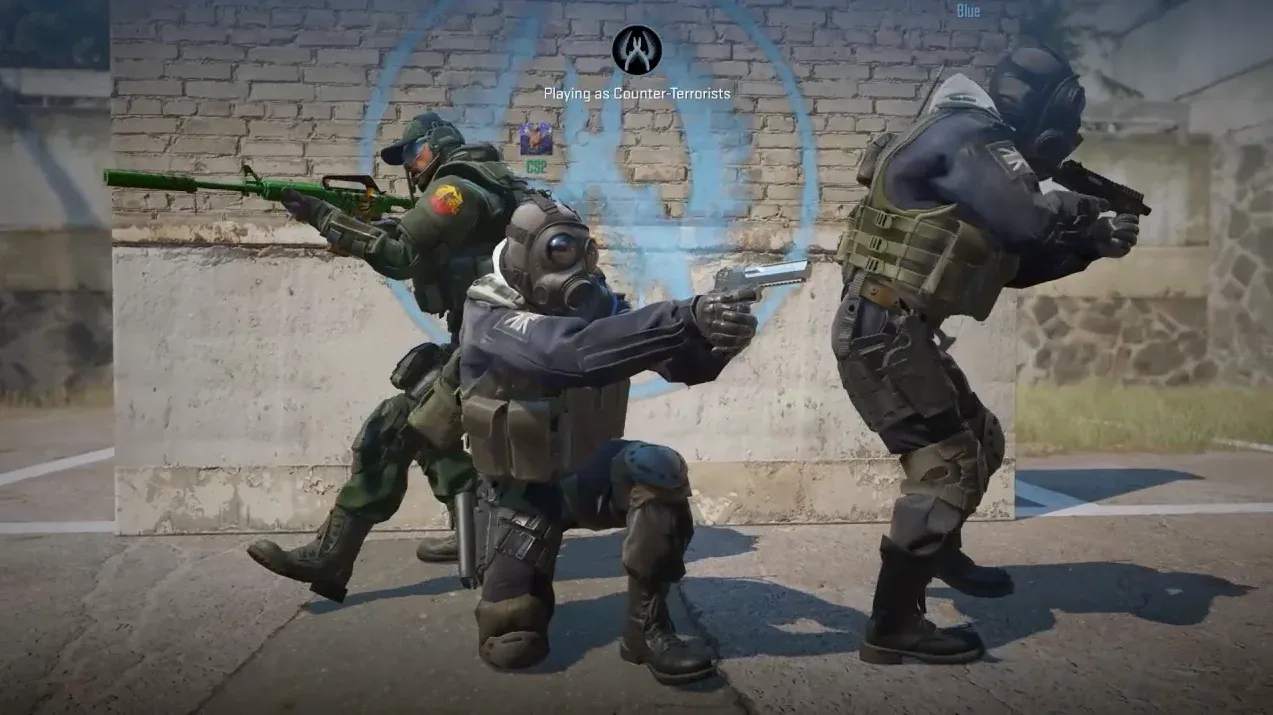
The main objective is the tower in the center of each arena. Winning a round lets your team move the tower closer to the opponent's side. Keep winning, and eventually you'll push all the way to the enemy castle, which wins the match. Valve says the battle arenas are randomly selected, so the exact path through a match can change from game to game.
How Do Rounds Work in Rush?
This is where the Rush Mode gets interesting.
Every round lasts only 40 seconds, meaning you don't have much time to think about what you're going to do. Teams have to fight for control of the arena and, ultimately, the tower.
There are two main ways to win a round. You can eliminate all three players on the opposing team and then take control of the tower, or you can simply be controlling the tower when the 40-second timer expires.
The tower effectively creates a tug-of-war between both teams. A round win pushes it toward the losing team's side, putting the winning team one step closer to the enemy castle. Because of that, a single lost round isn't always catastrophic, but several rounds in a row can quickly put one team on the back foot.
And yes, this is exactly where the name Rush starts making sense. Forty seconds isn't enough to spend half the round sitting behind a box waiting for something to happen.
What Are the CS2 Rush Arenas Like?
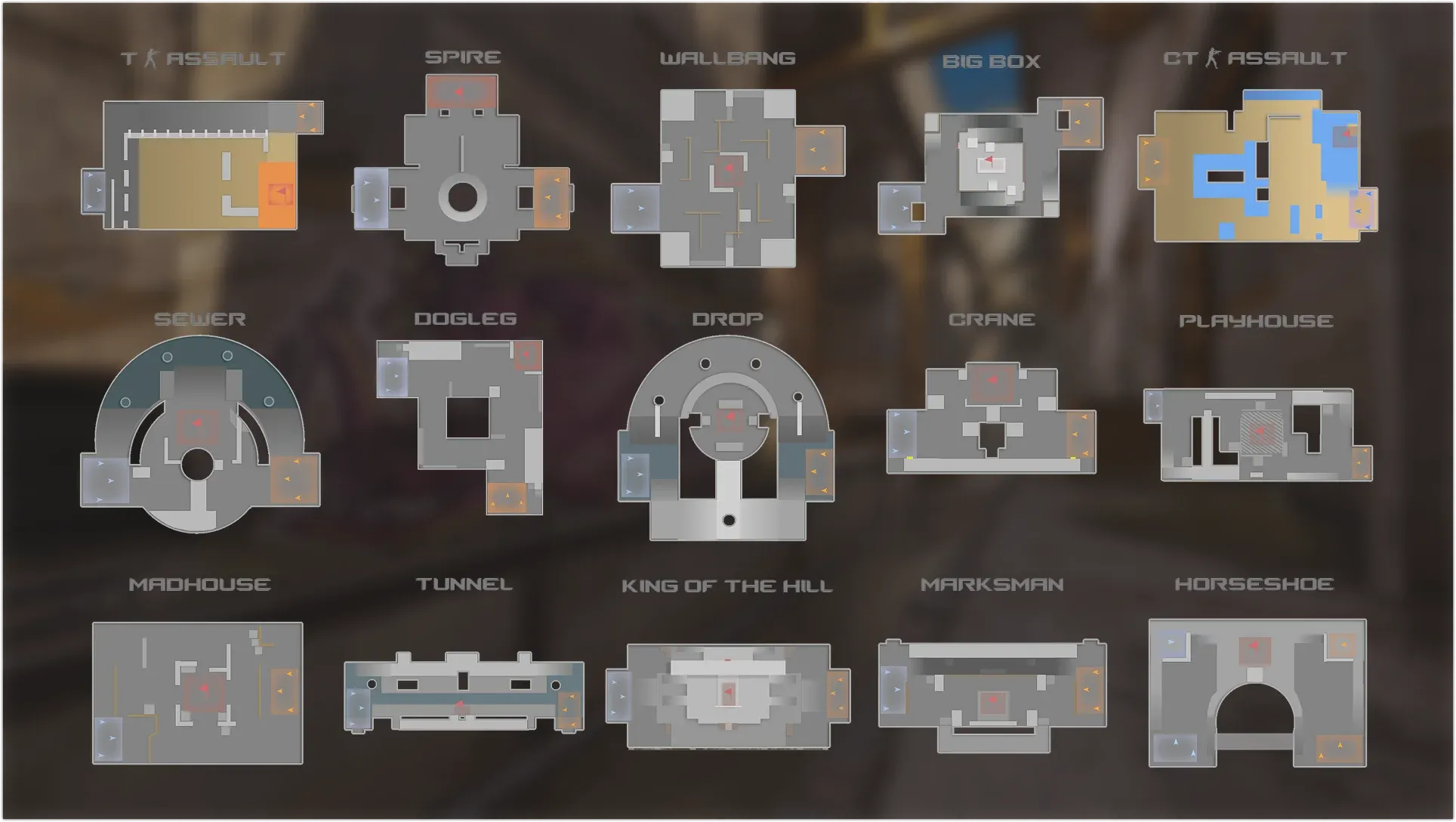
Rush arenas are much smaller than the normal CS2 maps. They're designed around quick fights, short rotations, and getting both teams into action almost immediately.
Some areas still feel familiar to Counter-Strike players because they use recognizable visual ideas and layouts, but the scale is completely different.
The arenas are randomly selected, so you also have to be ready to adapt instead of relying on one rehearsed strategy.
If a match reaches 7:7, this is where the final battle takes place. For the deciding round, you play on a map called Convoy, which is literally a moving train.
CS2 Rush Economy Explained
Despite the smaller maps and much faster rounds, Valve didn't completely throw the in-game economy out of the window.
The money system in Rush is adjusted around the mode's faster pace. A round win gives your team $2,500, while losing rounds builds up a loss bonus. The first loss gives $2,100, and the bonus continues increasing by $750 per consecutive loss until it reaches $4,350.
Note that other bonuses, like $50 Terrorist-elimination bonus are also present.
That means money management still matters, but you won't be dealing with the same economy as in Premier or Competitive.
As every round is so short, wasting money on a weak buy can hurt even more than usual. You need to think about whether the weapons and utility you purchase will actually help your team take the tower before the clock runs out.
How to Win in CS2 Rush
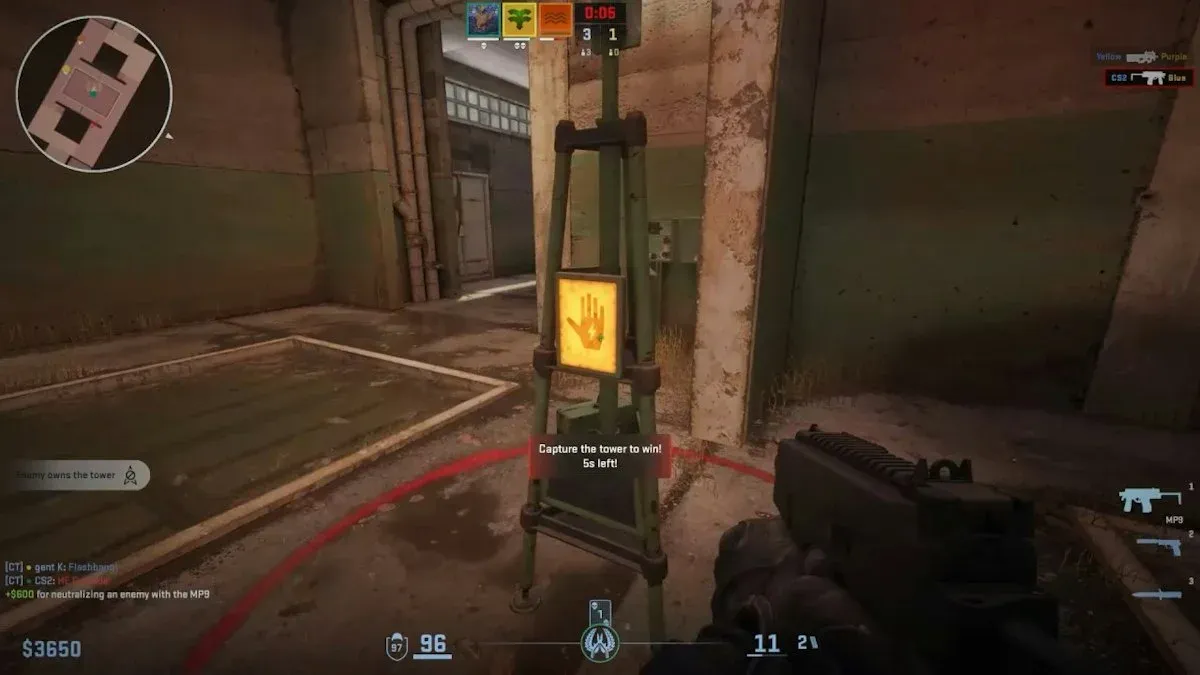
The biggest mistake you can make in Rush is treating it like normal Counter-Strike.
Kills are important, but the tower is what actually wins rounds. Once you have an advantage, don't automatically chase the last enemy across the map. Clear the area, secure the tower, and make them come to you.
Communication is also much more important with only three players. Losing one teammate means you've lost a third of your firepower, so solo peeking can quickly turn a winning situation into a disaster.
Finally, learn to adapt. Since the arenas are randomly selected, there isn't going to be one strategy that works every time. Sometimes you'll have better angles, sometimes you'll have to play aggressively, and sometimes simply surviving long enough to control the tower will be the right decision.
Rush is basically Counter-Strike stripped down to its fastest parts: aim, positioning, economy, and objective control, all packed into 40-second rounds. And after years of traditional 5v5 matches, having something this chaotic and quick in the CS2 queue is certainly a change of pace.
FAQ
Is CS2 Rush Mode 3v3?
Yes. CS2 Rush Mode is a 3v3 game mode, with three players on each team fighting for control of the tower and trying to push it toward the enemy castle.
How long is a Rush Mode round in CS2?
Each Rush Mode round lasts 40 seconds. A team can win by eliminating the entire enemy team and capturing the tower, or by controlling the tower when the timer runs out.
How many maps are in CS2 Rush Mode?
Rush Mode features 15 different arenas. The arenas are selected during the match, so you won't necessarily play through the same sequence every time.
What happens if CS2 Rush Mode reaches 7:7?
If the score reaches 7:7, the match goes to a deciding arena called Convoy. It is a moving train map designed to determine the final winner.
How does the economy work in CS2 Rush Mode?
Winning a round gives $2,500. The loss bonus starts at $2,100 after the first consecutive loss and increases by $750 with each additional loss, up to $4,350.